Last Updated on January 29, 2026 by The Daily Simmer Team
Salt is one of those basic ingredients that I always have in my kitchen. It’s essential for flavoring so many dishes, from savory meals to baked goods. When cooking for my family, I try to use the right amount of salt to enhance the dish without overdoing it. It’s a delicate balance, especially since I want to keep our meals healthy. I’ve learned the hard way that too much salt can easily make a dish too savory for my kids’ tastes. The key is understanding the different kinds of salt and how they can affect flavor and texture in your cooking.
Contents
Ingredients
- Salt (as needed for seasoning)
- Water (for boiling or preparing food)
Instructions
- Measure out the appropriate amount of salt based on your recipe and dietary guidelines.
- Incorporate salt gently into your dishes, keeping in mind the total sodium intake for the day.
Why You’ll Love This Recipe
- Using the right amount of salt enhances flavors without overwhelming the dish.
- Salt improves the texture of certain foods, making them more enjoyable to eat.
- Knowing when to add salt can simplify your cooking process and help create balanced meals.
Chef’s Tips for Perfection
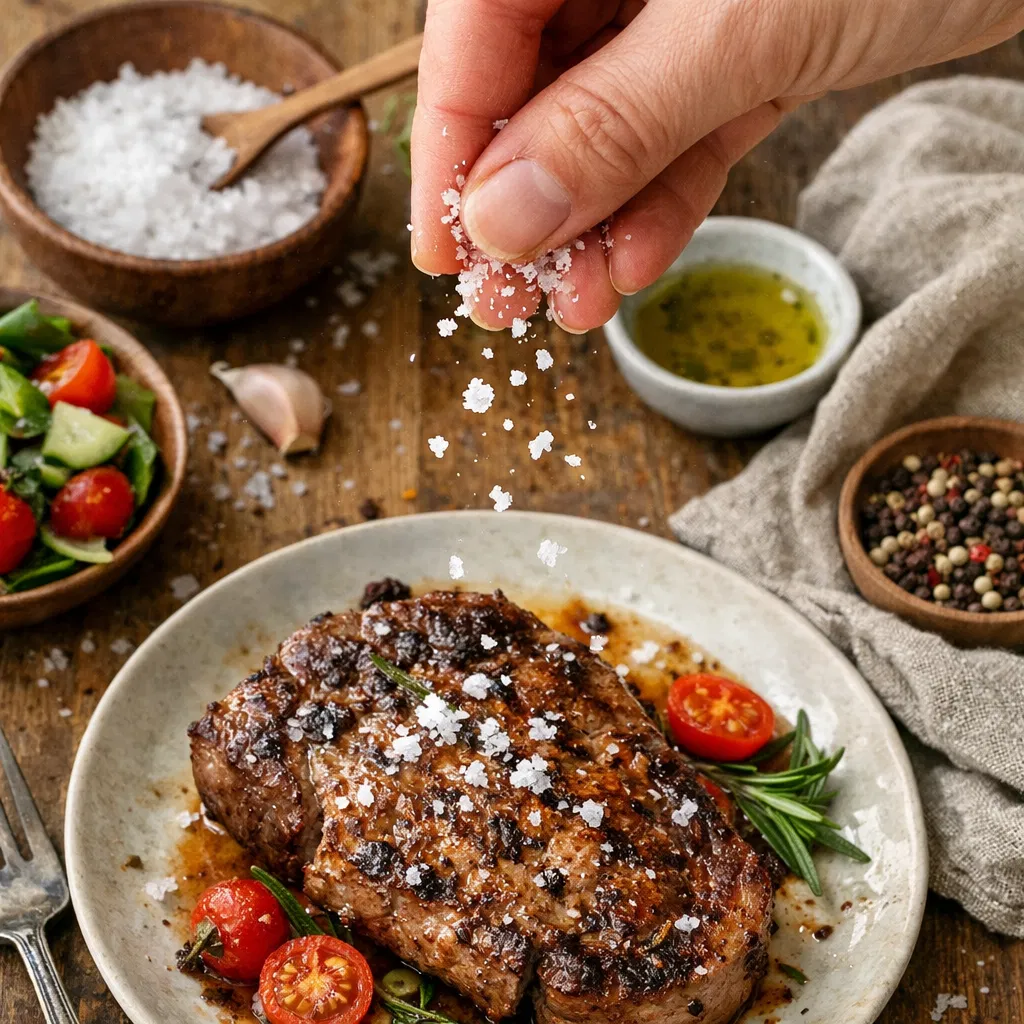
- Start by adding a small amount of salt and taste as you go to avoid oversalting.
- Remember that different cooking methods can affect how salt interacts with food, so adjust accordingly.
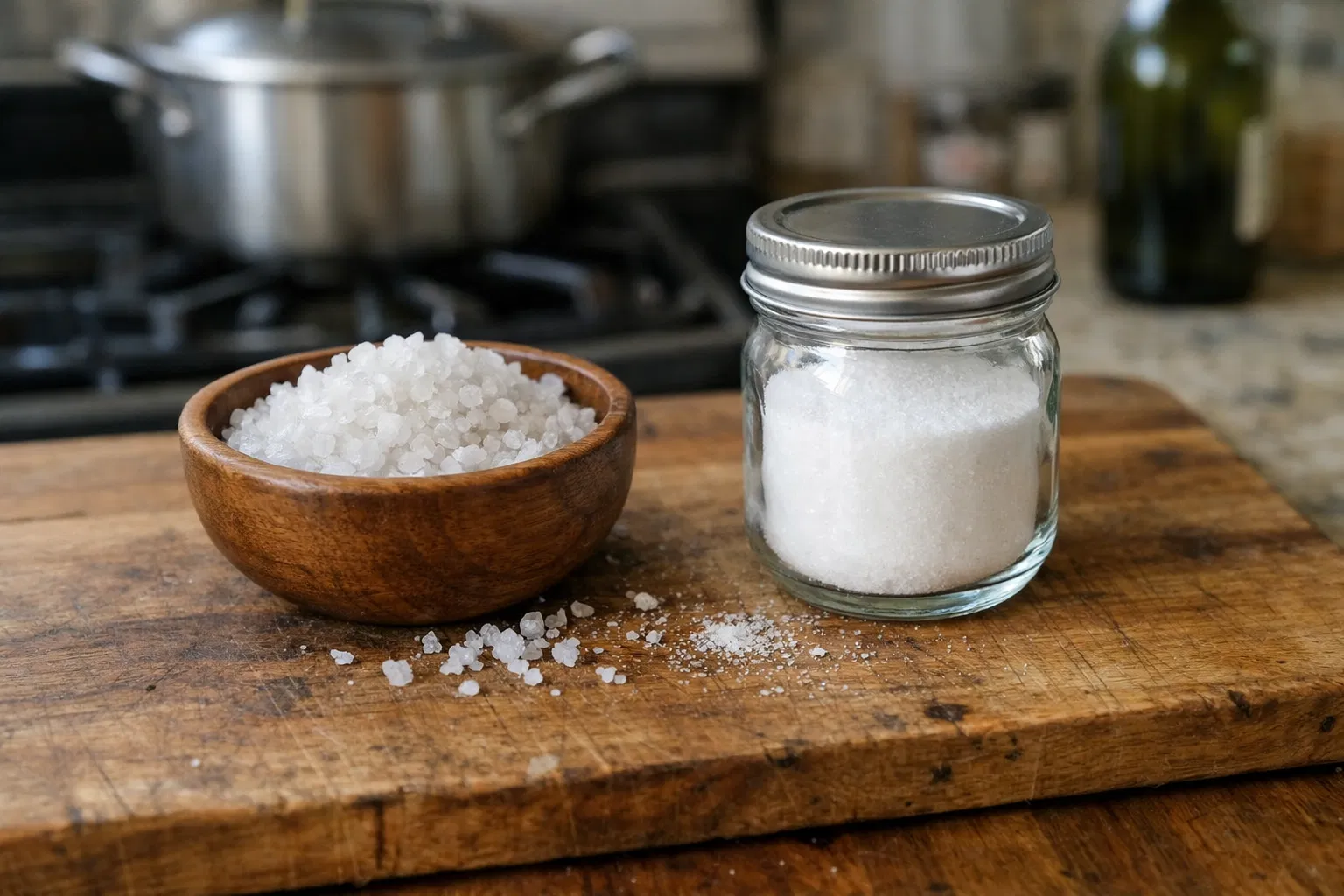
- You can experiment with different types of salt, like sea salt or kosher salt, for added complexity in flavor.
Storage and Reheating
Store salt in a cool, dry place to keep it from clumping. Unlike other ingredients, salt has a long shelf life, so you don’t need to worry about it going bad. Just make sure it’s kept in an airtight container if you live in a humid environment.
Nutritional Notes
Salt contains no calories but is an essential mineral that plays a role in preserving food and enhancing flavors. It’s important to monitor your daily sodium intake to maintain a healthy diet.
How to Use Salt Perfectly in Your Cooking