Last Updated on January 29, 2026 by The Daily Simmer Team
Mackerel is one of those fish that people seem to either love intensely or avoid completely. It has a strong, oily character that demands bold flavors to stand up to it. I used to be intimidated by salted mackerel specifically—I once ruined a dinner by not soaking the fillets long enough, resulting in an inedible salt lick of a meal. But once you get the prep right, the texture is firmer and meatier than fresh fish.
This recipe leans into a classic Mediterranean “agrodolce” (sweet and sour) profile. By cooking the fish with vinegar, raisins, and pine nuts, you cut right through the richness of the mackerel. It’s a very pantry-friendly meal, provided you remember to start soaking the fish the night before.
Contents
Ingredients
- 1 lb salted mackerel fillets (approx. 2 large fillets)
- 3 tbsp extra-virgin olive oil, divided
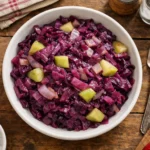
- ½ cup pickled onions (drained)
- 2 tbsp red wine vinegar (or apple cider vinegar)
- 1 tsp sugar
- ¼ cup raisins or sultanas
- 2 tbsp pine nuts
- 2 tbsp walnuts, chopped roughly
- ½ tsp ground cinnamon
- Fresh mint leaves to finish
Instructions
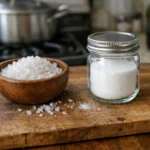
- The Soak (Crucial): If you bought salted mackerel (often sold in jars or vacuum packs), you must soak it. Place fillets in a big bowl of cold water for at least 12 hours. Change the water a couple of times. If you skip this, the fish will be too salty to eat.
- Dry and Prep: Lift the fish out and dry it well with paper towels. Wet fish sticks to the pan. If using fresh mackerel instead, just sprinkle it with a pinch of salt now.
- Sear: Heat 2 tablespoons of oil in a skillet over medium-high heat. Lay the fish in, skin-side down. Let it sizzle undisturbed for about 3 minutes until the skin releases from the pan and looks golden.
- Add Aromatics: Flip the fish carefully. Turn the heat down to medium. Toss in the pickled onions, raisins, pine nuts, and walnuts.
- Make the Sauce: Sprinkle the cinnamon over the pan. Mix the vinegar, sugar, and the last tablespoon of oil in a cup, then pour it over the fish and nuts.
- Simmer: Let everything bubble together for 3 to 4 minutes. The vinegar will reduce, the raisins will plump up, and the fish will finish cooking through.
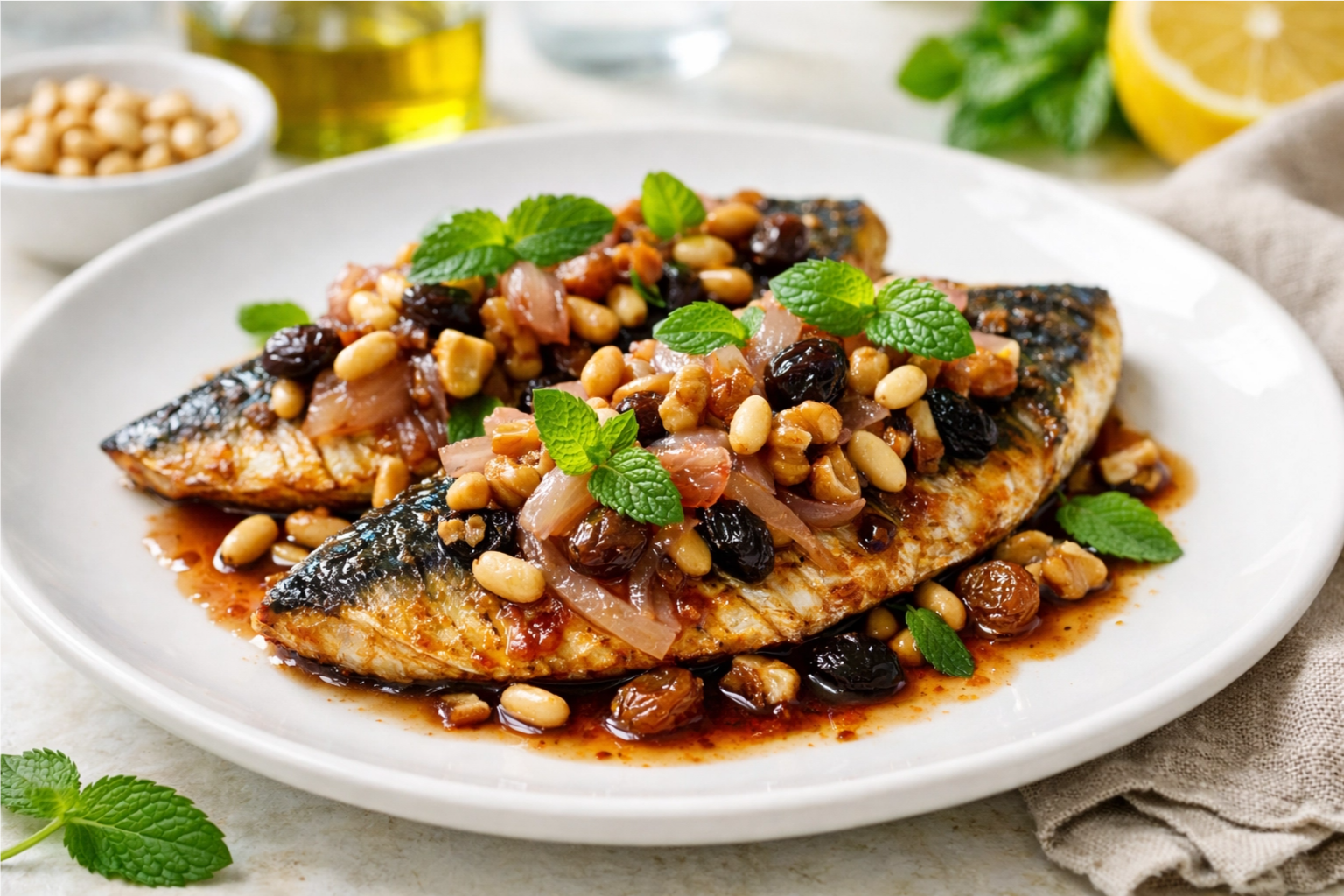
- Serve: Plate the fish and spoon the nutty, oniony mixture on top. Scatter fresh mint over it immediately.
Why You’ll Love This Recipe
- Flavor Balance: Mackerel is fatty; the vinegar and pickled onions provide the acid needed to cleanse your palate.
- Nutrient Dense: It’s a heavy hitter for Omega-3s and protein without feeling like “diet food.”
- Pantry Friendly: Aside from the fish and fresh mint, everything else usually lives in the cupboard.
Chef’s Tips for Perfection
- Fresh vs. Salted: While the traditional method uses salted mackerel for that cured texture, you can absolutely use fresh fillets. Just skip the soaking step and season the raw fish with salt before cooking.
- Choosing the Fish: If buying jarred mackerel, look for fillets packed in olive oil or just salt. Avoid the ones in cheap vegetable oil or metallic tins if you can help it—the flavor difference is noticeable.
- Don’t Burn the Nuts: Once you add the pine nuts and walnuts, keep an eye on the heat. They can go from toasted to burnt very quickly in hot oil.
Storage and Reheating
This dish keeps reasonably well in the fridge for 2 days. The oil and vinegar act as a preservative. I actually prefer eating the leftovers cold or at room temperature, flaked into a salad, rather than reheating it, which can make the fish smell quite strong.
Nutritional Notes
Mackerel is an oily fish, meaning it is higher in calories than white fish like cod, but those calories come from healthy unsaturated fats. It’s excellent for heart health and provides significant amounts of calcium and Vitamin D.
Ultimate Guide to Fresh Mackerel: Health Benefits & Easy Roasted Recipe